

08 Aug 2026
HKU Science Inspires the Next Generation of Global Innovators at ASC 2026
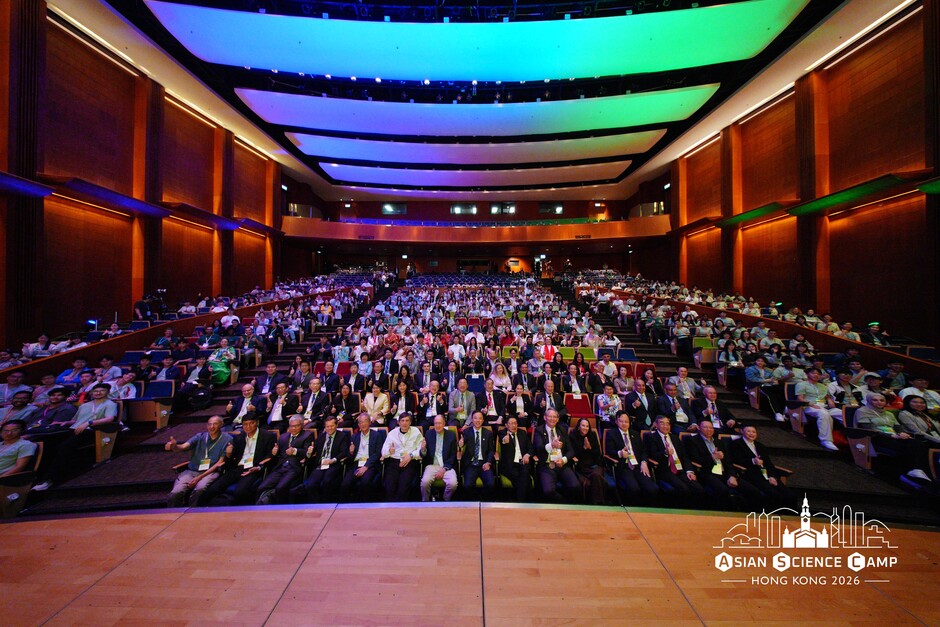
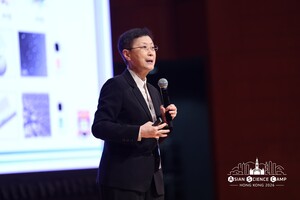
The opening ceremony of the Asian Science Camp (ASC) 2026 was held on 3 August (Monday).
Following the successful conclusion of the Asian Science Camp (ASC) 2026, hosted by HKU from August 2 to August 8, the Faculty of Science is delighted to have supported the University in hosting this prestigious annual forum.
In supporting the University to welcome nearly 300 talented pre-collegiate and college students from more than 28 countries and regions, the Faculty actively contributed to a vibrant environment for scientific discussion, exploration, and collaboration. A major highlight of the event was the exceptional plenary programme, which provided an unparalleled opportunity for students to learn directly from world-class academics. Four of our distinguished faculty members participated as plenary speakers—including Nobel Laureates Professor Sir Andre Geim and Professor Ferenc Krausz, Fields Medalist Professor Ngô Bảo Châu, and L’Oréal-UNESCO Women in Science Laureate Professor Vivian Yam Wing-wah—inspiring the young campers through their passion and extraordinary research journeys.
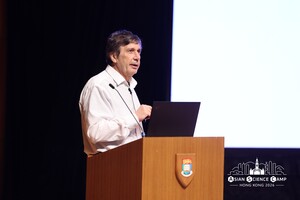
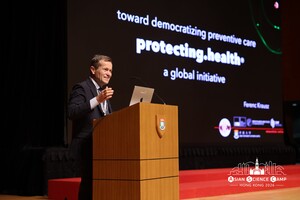
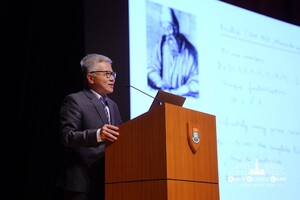
To immerse the participants in the excellent teaching, learning, and research environment at HKU Science, the Faculty also curated four hands-on camp activities that allowed students to explore cutting-edge facilities first-hand:
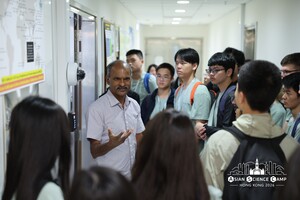
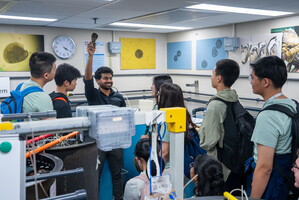
Oyster Hatchery Visit (Hosted by Professor Thiyagarajan Vengatesen and the hatchery operation team): An experiential learning session at the Hong Kong Oyster Hatchery and Innovation Research Unit showcasing applied research in oyster aquaculture, climate resilience, and coastal ecosystems.
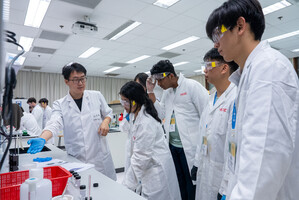
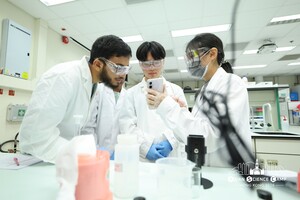
Chemistry Lab Session (Hosted by Professor Edmund Tse, Dr. Arnold Li and the experiment team): A practical workshop where students used professional instruments to conduct hands-on experiments in electrochemistry and cyclic voltammetry.
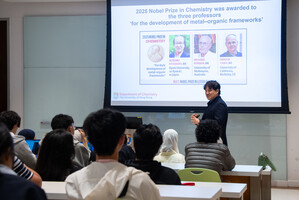
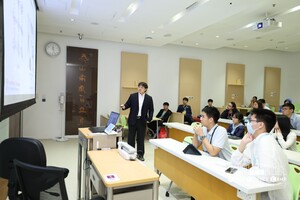
Chemistry Mock Lecture (Delivered by Professor Seungkyu Lee): An academic session tracing the synthetic strategies and evolution of metal–organic frameworks (MOFs) from fundamental concept to industrial application.
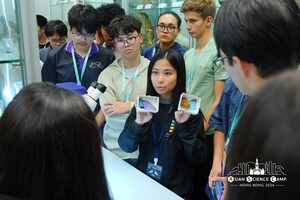
Biodiversity Museum Tour (Hosted by the museum operation team): A guided tour showcasing specimen preservation and local wildlife stories at the Hong Kong Biodiversity Museum.
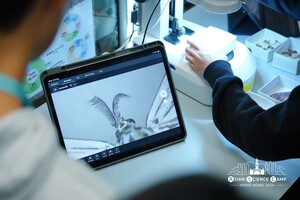
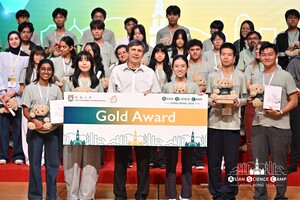
The profound impact of these immersive experiences was felt immediately during the Final Poster Presentation Contest, a major highlight of the camp. The Golden Prize-winning team revealed that their visit to the Oyster Hatchery had inspired their winning poster, prompting them to think deeply about climate change and emerging issues in environmental science. This creative translation of active research was highly commended by the judging panel, which included our faculty members Professor Thiyagarajan Vengatesen and Dr. Kenneth Ng.
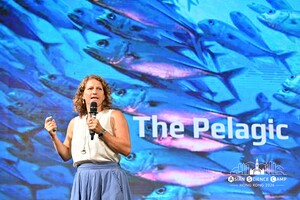
The spirit of scientific inquiry extended even beyond the campus. During the cultural excursion day at Ocean Park Hong Kong, Professor Celia Schunter from the School of Biological Sciences delivered an engaging outdoor lecture titled “Marine Biodiversity: Explore the marine environment,” allowing students to learn more about marine science in a real-world ecological setting.
We extend our sincere appreciation to the organisers and all participants for their dedicated time and effort in making ASC 2026 a resounding success. We hope that the lectures, experiments, and connections forged during this memorable week will continue to inspire these young minds to push the boundaries of future global innovation.
You may also be interested in
12 Oct 2026
28 Jul 2026
05 May 2026
10 Apr 2026

26 Mar 2026
17 Mar 2026